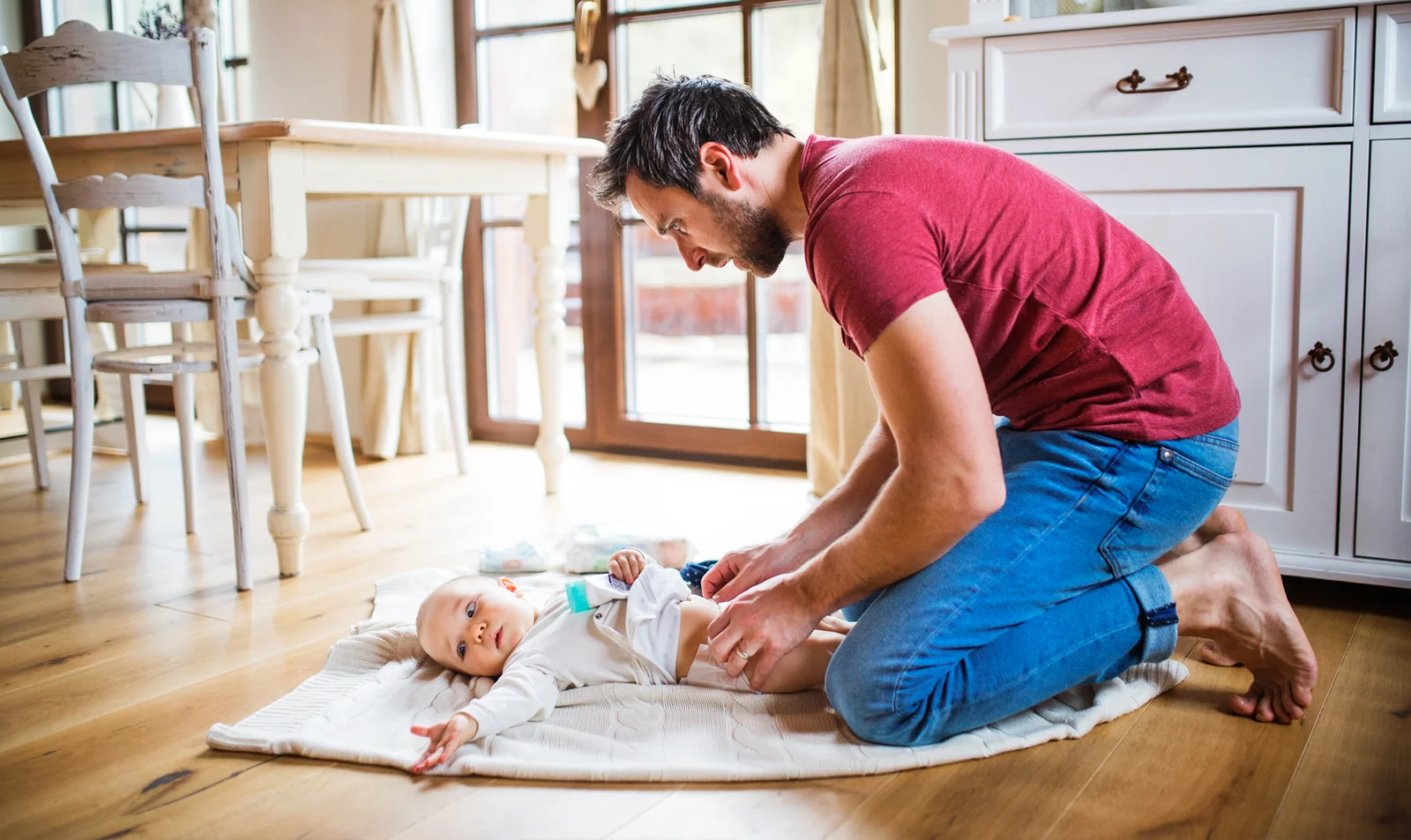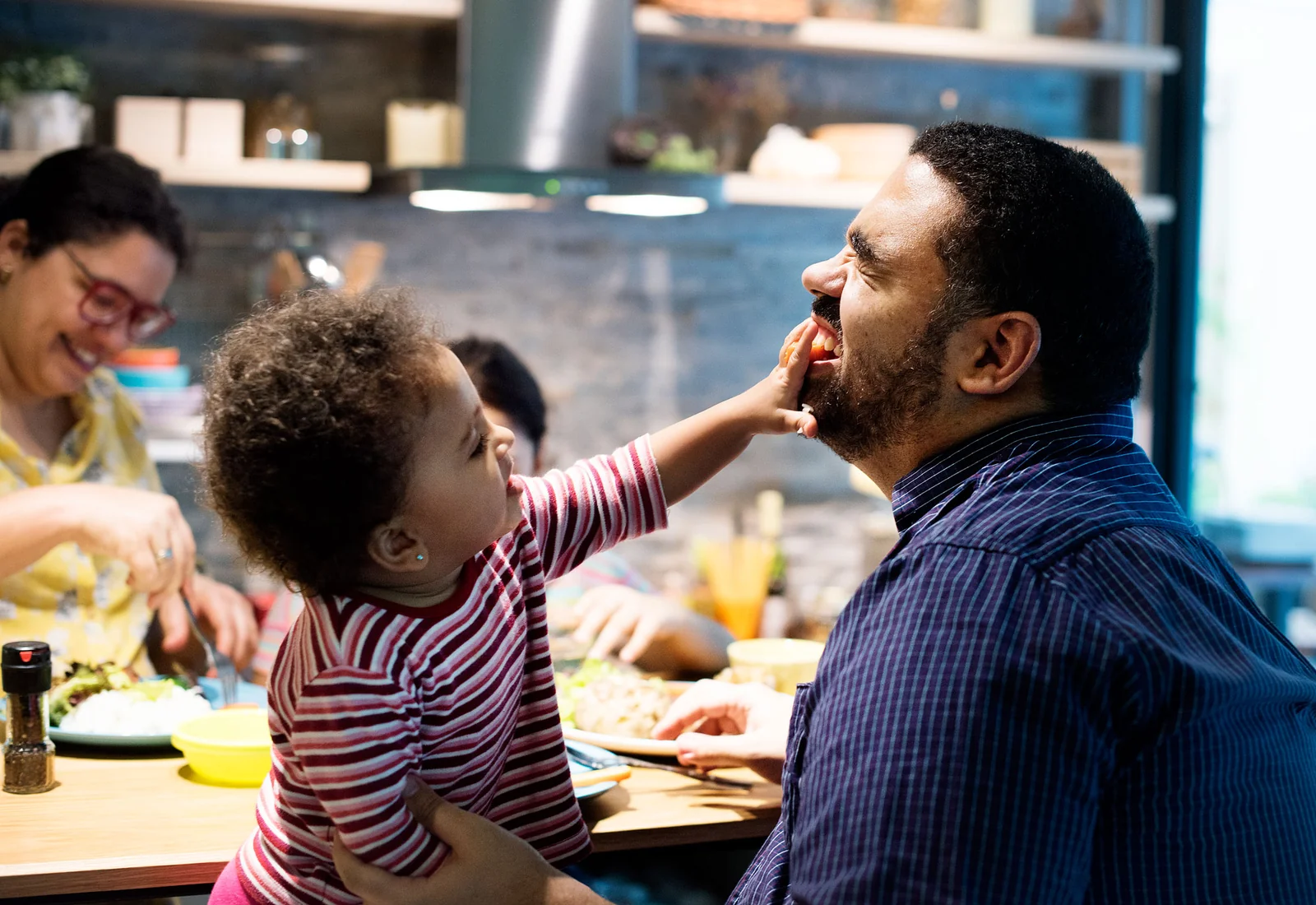

You need to make dinner. Your child wants to be exactly where you are, doing exactly what you are doing. Could those two projects possibly be combined? Yes—with a realistic task, close supervision and a slightly more generous definition of a tidy kitchen.
Cooking together gives children a chance to practise everyday skills, make choices and contribute to family life. Handling ingredients may also make unfamiliar food less mysterious, although helping with a dish does not guarantee they will eat it.
The French article drew on ideas from nutrition educator Casey Seidenberg and a conversation with food blogger Anne-Sophie of Fashion Cooking. The ages below are starting points, not qualifications: choose tasks according to your child’s abilities and stay with them.
Before two: a place to watch
A very young child can enjoy being nearby without becoming your assistant at the hob. Arrange a safe place away from hot surfaces, sharp tools and dangling cords. A wooden spoon and suitable containers can be fascinating equipment.
Name what you are doing, show them a vegetable and let them watch the transformation. There is no need to turn every meal into an educational workshop. Being included is already something.
Two to three: small tasks, large enthusiasm
Start with handwashing and a stable, supervised position. Clear the work area, gather what you need and accept that the first attempt may take longer than doing it yourself. That is rather the point.
- Rinse vegetables, pass safe ingredients and tear salad leaves.
- Turn a salad spinner, mix ingredients in a large bowl or help knead dough under supervision.
- Spread something soft with a blunt utensil.
- Help crack an egg into a separate bowl, then wash hands and clean the surface.
- Wipe the table or put safe food scraps in the bin.
Choose one job rather than demanding attention for an entire recipe. In the original interview, Anne-Sophie described the familiar combination of a child wanting to do everything alone and quickly getting bored. Preparing ingredients in advance lets the child enjoy mixing, then gradually try another skill. They do not have to stay until the very end.
Keep tasting for cooked food: raw flour and eggs can carry harmful germs. Do not let children lick raw cake batter or eat raw dough. The FDA explains why; wash hands and equipment after handling them.
Four to six: a little more independence
When the earlier tasks feel comfortable, offer a new challenge. Your child might peel a clementine or a cooled boiled egg, mash soft ingredients, squeeze citrus fruit or measure ingredients with your help.
They can grease a baking dish, tear or snip herbs with suitable scissors under supervision, and set the table with items they can carry safely. A dip, fruit salad or simple vegetable salad lets them see a result without a long wait.
Adults handle hot pans, sharp blades and electrical appliances. A blender is not a toy, even if pressing its button looks easy. Dishwasher detergent, especially capsules, stays out of children’s reach: putting away safe clean utensils is a better job.
Seven and beyond: follow the child’s skills
A birthday does not automatically make a child ready to use a knife or drain boiling pasta. Demonstrate each new task, practise together and keep supervising according to the risk and their competence.
Older children can help plan a meal, write a shopping list, read a recipe and organise ingredients. Talk through food hygiene too: separate raw foods where needed, wash hands, and put perishable ingredients away promptly.
Knife work, a peeler, the oven or the hob can be introduced gradually when appropriate, with an adult actively supervising. Handling steam and hot liquids deserves particular care; it is fine to keep those jobs yourself.
Cook something you both want to make
A family recipe, a dish from a favourite cookbook or something a grandparent makes can give the project meaning. Offer two manageable choices instead of promising any recipe on the internet.
Some days you will have time for experiments. Other days your junior chef will wash three tomatoes and call it a shift. Helping is a pleasure to build over time, not another test either of you has to pass.