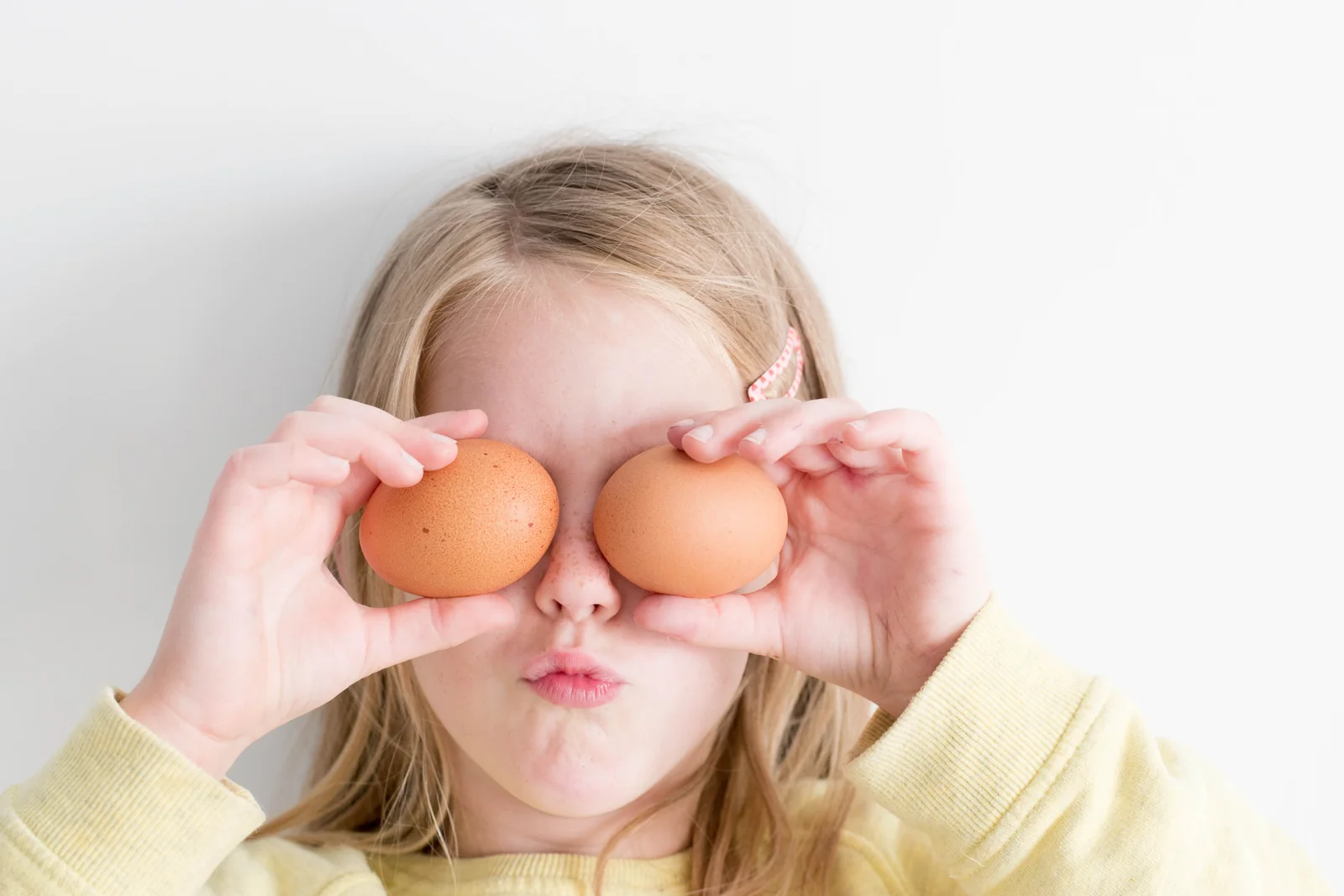
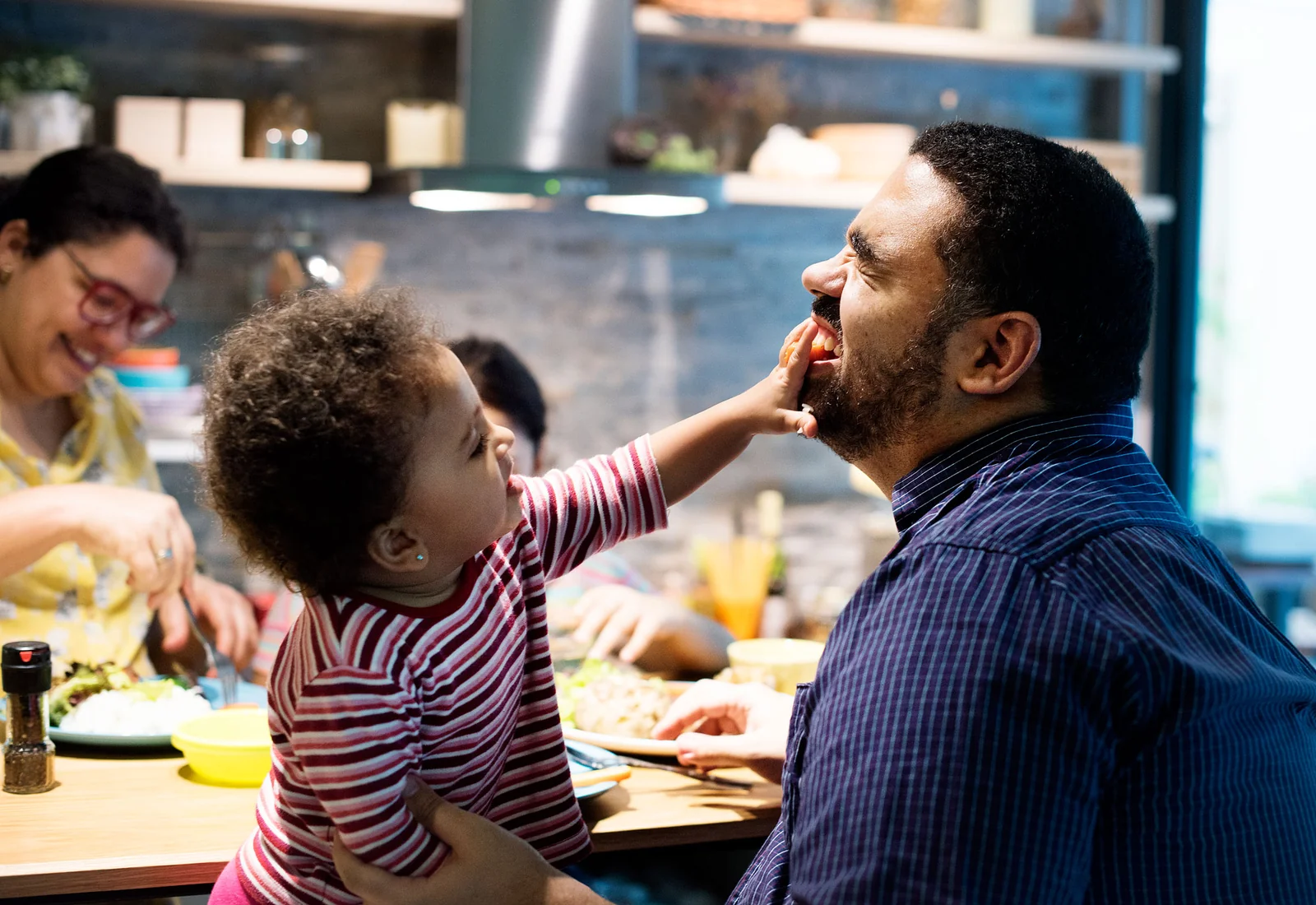
Yesterday broccoli was a hit. Today it is apparently an insult. When your child refuses food, the challenge is to keep meals peaceful while giving them opportunities to discover what they like.
Food preferences can change—dramatically
Around toddlerhood, many children become wary of unfamiliar foods. Some also reject former favourites. “But you LOVE broccoli!” is rarely the winning argument we hope it will be.
There is no need to settle every theory about why this happens before serving dinner. Here are three principles for getting through these phases without turning the table into a negotiating chamber.
1. Don’t turn eating into a contest
1.1 Accept that appetite varies
This is easier to say than to do when you have shopped, chopped and cooked a balanced meal that is pushed away with one finger. But the amount a child wants to eat can change from meal to meal.
Look at the broader pattern rather than one unfinished plate. Regular growth checks and a conversation with a healthcare professional are more useful than trying to diagnose a problem from tonight’s peas. Ordinary fussiness should not be used to dismiss persistent feeding difficulties.
If your child is losing weight, not growing as expected, has pain or difficulty swallowing, or eats a progressively narrower range of foods, seek medical advice. Refusing fluids, signs of dehydration or appearing seriously unwell calls for prompt assessment.
1.2 Avoid forcing, bargaining and dessert threats
“Finish your plate”, “just one more bite” and “no dessert unless…” can make the meal about winning rather than eating. The long-term aim is a workable relationship with food, not a single defeated spoonful.
Serve manageable portions. Include something familiar alongside other food, without promising an endless sequence of replacement dinners. You can set the timing and offer suitable food while leaving your child space to respond to their appetite.
1.3 Explain without delivering a lecture
You can talk about food without announcing that every carrot is a test of future intelligence. Describe its taste, colour or crunch. A rejected vegetable can return another day without a speech about what happened last Tuesday.
The lesson is not “vegetables are the price you pay for pudding”. It is that meals offer different things to explore, with people you like being around.
2. Make trying food easier
2.1 Eat together when you can
Your child watches what you do. If the adults are enjoying the same food, it becomes familiar rather than a mysterious substance reserved for small people. Siblings or friends can make meals sociable too; avoid comparing who is the “good eater”.
2.2 Put familiar and unfamiliar foods together
A tiny serving of something new beside a familiar food is less daunting than a plate that looks entirely foreign. A sauce your child already likes may make a vegetable more approachable. That does not mean every dinner needs a coating of ketchup.
Try different ways of preparing an ingredient. A texture may be the sticking point, not the vegetable itself. Keep pieces appropriate to your child’s eating skills, and supervise meals.
2.3 Offer again, without keeping score
A refusal today is not a lifetime ban. Offer foods on other occasions, in small quantities and without requiring a taste. Repetition is an opportunity, not a contract saying they must like courgette by attempt number fourteen.
A predictable rhythm of meals and snacks can help everyone arrive at the table in a reasonable mood. Constant grazing can crowd out meals; waiting until a child is exhausted and desperately hungry is not ideal either.
3. Leave room for enjoyment
3.1 Let them help
Choosing produce, rinsing vegetables, stirring with supervision or growing herbs gives children something to do beyond judging the finished plate. Keep tasks suited to their age and abilities, especially around heat and sharp tools.
They may feel proud of something they helped make. They may also proudly prepare it and decline to eat it. Participation still counts as a shared experience.
3.2 Give food a playful name
A carrot can become a rocket; broccoli can become a tiny forest. You do not need a nutritional sales pitch for every bite. If the story is fun for everyone, enjoy it. If your child just wants a quiet dinner, the space programme can wait.
3.3 Make something silly on the plate
A wonky face made of vegetables takes less artistic talent than you might think. A panda’s nose can be more interesting than an isolated piece of broccoli. Think of it as an invitation to enjoy the meal, not a trick that obliges the child to eat.
For inspiration, Patrice’s @approximativefoodart celebrates exactly this kind of imperfect plate art. Yes, the account belongs to Le Paternel’s co-founder. No, realistic pandas are not required.
For practical guidance on everyday fussiness, see the NHS guide to fussy eaters. These ideas are for ordinary mealtime difficulties; persistent feeding problems deserve individual support.